
Notre Vision
Nous envisageons un monde où les systèmes de paiement sont diversifiés et où il existe de multiples façons de stocker de la valeur, permettant ainsi aux individus de choisir librement les valeurs qu'ils souhaitent défendre à travers leur choix de monnaie.
Nous pensons que cette diversité favorisera la solidarité, les accords de réciprocité et une culture de coopération plutôt que de compétition.
Nous envisageons:
Un monde rempli de monnaies complémentaires
Des communautés autonomes d'individus libres
Un système monétaire au service du bien commun
Les monnaies qui remplissent des fonctions définies collectivement par les communautés
Monetary freedom — where new forms of money can emerge wherever they are relevant
Un mouvement pour la diversité monétaire (MoDi) qui fait de la finance collaborative un bien commun, menant à l'autonomisation des citoyens.
Un monde où reprendre le contrôle du crédit devient un levier pour construire un avenir durable
Plus à propos MoDi
MoDi est une organisation guidée par des valeurs. Notre mission est ancrée dans la conviction que l'argent n'est pas neutre — c'est un outil qui façonne les sociétés, les relations et les avenirs. Nous cherchons à rétablir la finance en tant que bien public et démocratique. Notre travail reflète de forts engagements sociaux, économiques et environnementaux, y compris :
As monetary systems must be governed transparently, with citizen participation and control.
Between individuals and communities, ensuring no one is left behind.
Including the freedom to define value and build systems aligned with our collective needs.
Through decentralized, locally rooted systems that can withstand crises.
Recognizing that monetary design choices affect real lives and must be made responsibly.
By questioning who controls credit, who benefits from money creation, and who bears the burden of debt.
Embracing the idea that there isn’t one single model for value exchange — and that diverse monetary systems can coexist.
Instead of market-driven competition — fostering cooperation across sectors and borders.
Not accumulation — building economies based on mutual contribution and shared benefit.
To shift power away from central authorities towards communities.
for territories and groups to experiment, innovate, and implement the monetary tools they need.
Nous visons à redéfinir la finance comme un espace de régénération — des écosystèmes, de la confiance, des liens sociaux. Chez MoDi, l'argent doit servir les gens, et non l'inverse.

Redéfinir la valeur
Du rêve à la réalité pour la réforme monétaire
La diversité monétaire émerge comme une initiative singulière d'un mouvement plus large visant à repenser et à remodeler les hypothèses économiques et monétaires traditionnelles. Cette tendance reflète une reconnaissance croissante des limitations et des défis posés par les systèmes financiers conventionnels, qui privilégient les gains à court terme et le contrôle centralisé, négligeant les besoins et les valeurs des différentes communautés, régions et écosystèmes.
En diversifiant les systèmes monétaires, y compris l'introduction de monnaies locales, de monnaies numériques et de monnaies complémentaires, ce mouvement cherche à favoriser des pratiques économiques plus résilientes, équitables et durables qui soutiennent les économies locales, réduisent l'impact environnemental et encouragent des pratiques plus en harmonie avec les valeurs locales et les objectifs de durabilité.
La poussée vers la diversité monétaire est entrelacée avec un changement plus large vers la réimagination des principes économiques pour répondre aux défis contemporains tels que l'inégalité, le changement climatique et la désaffiliation sociale.
Cela fait partie d'un changement de paradigme qui remet en question la durabilité des modèles centrés sur la croissance et explore des approches plus holistiques qui intègrent le bien-être social et environnemental au cœur de la pensée économique. Cela comprend les efforts pour redéfinir le succès au-delà du PIB, vers des mesures qui reflètent le bien-être réel et la vraie valeur des choses.
En expérimentant avec divers outils et cadres monétaires, cette tendance globale à l'émancipation monétaire vise une reconquête de l'argent et sa démocratisation, ouvrant la voie à un avenir économique stable et juste.
Comme beaucoup de personnes et d'organisations avant... Nous apportons notre humble contribution à la promotion, à l'apprentissage mutuel et contribuons au développement et à l'acceptation de moyens alternatifs d'exercer des fonctions monétaires.
Une initiative pour en générer d'autres
Face à un paysage fragmenté de réformistes monétaires, MoDi contribue à des projets communs menés avec des ONG et des autorités publiques partageant la même compréhension de la nécessité urgente d'inverser les pompes à profits et de commencer à construire des économies régénératives.

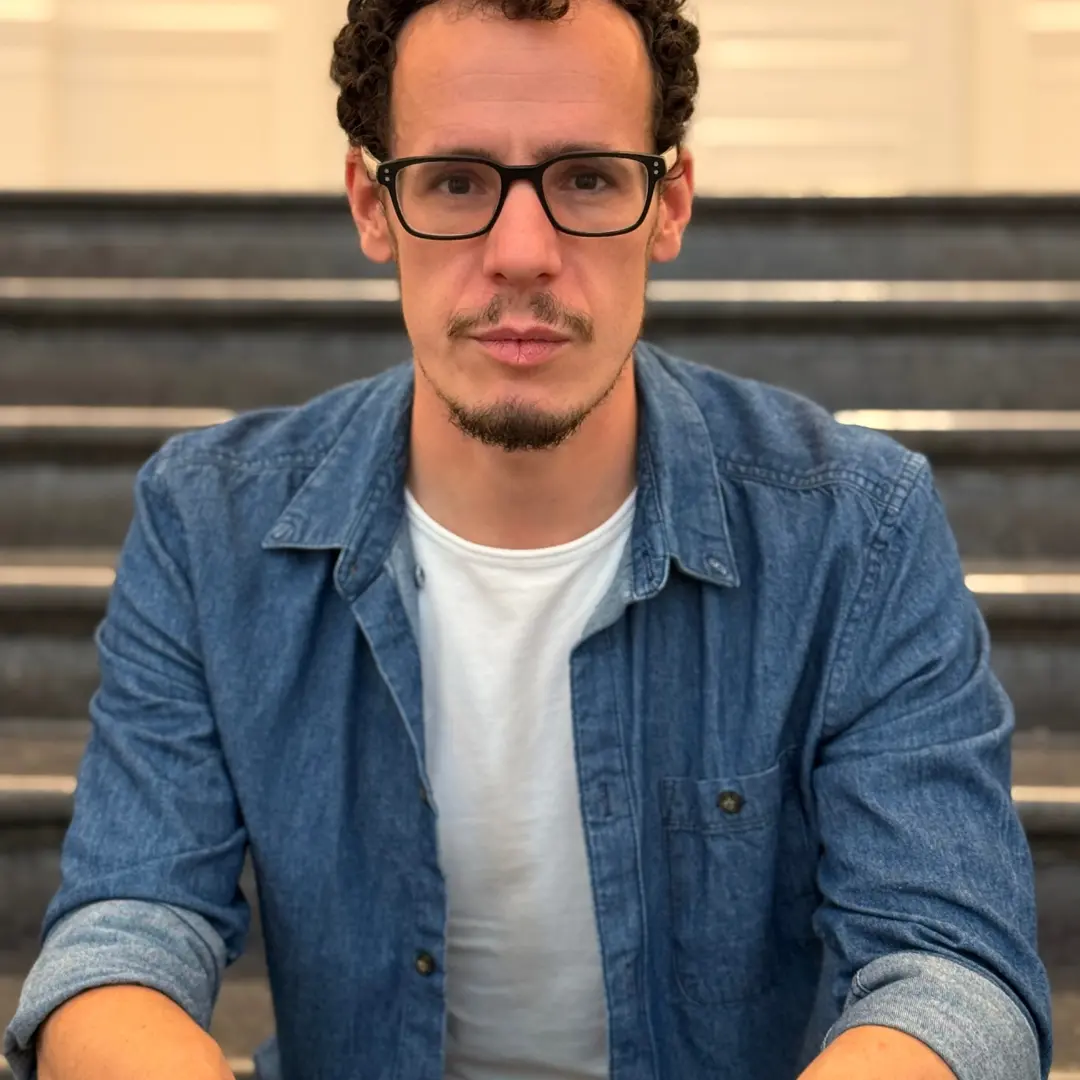
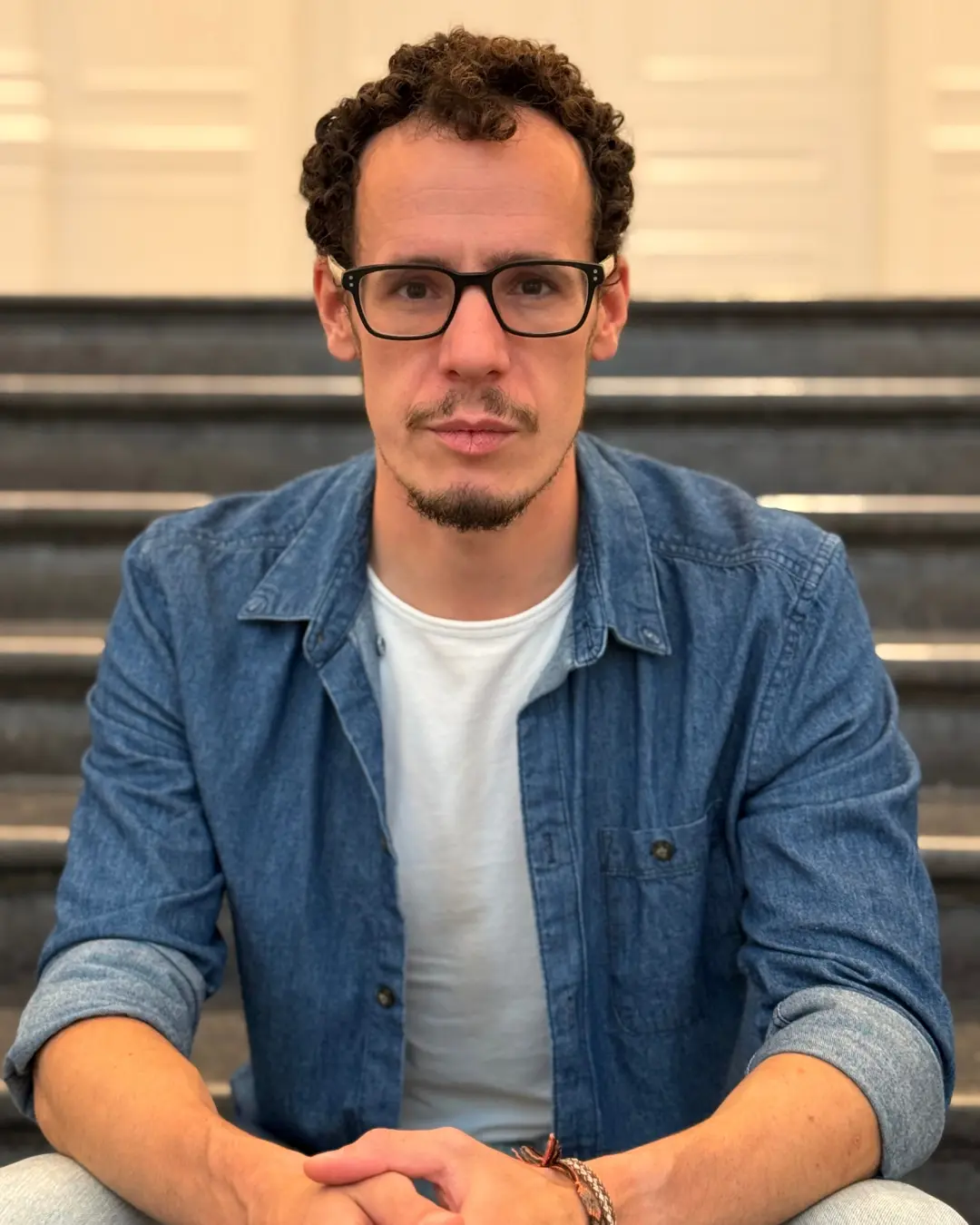
Nicolas Franka, Founder
Depuis plus d'une décennie, j'ai travaillé sur des questions monétaires, considérant l'argent comme une institution centrale qui façonne les valeurs, les relations de pouvoir et l'action collective.
Mon travail se concentre sur la manière dont les systèmes monétaires — tels qu'explorés à travers l'initiative de Diversité Monétaire — orientent le comportement économique et les pratiques démocratiques, et comment ils produisent des effets concrets et durables. La démocratie, en ce sens, ne concerne pas seulement la manière dont les décisions sont prises, mais aussi de savoir si les individus et les communautés disposent des moyens économiques et monétaires pour concrétiser ces décisions..
Au cours de cette période, je me suis engagé sur la question de l'argent, en prêtant une attention particulière à la création monétaire par les banques privées et aux contraintes structurelles des systèmes monétaires basés sur la dette..
Avec un fort engagement envers la pratique, j'explore et développe des arrangements monétaires et institutionnels alternatifs — tant sur le terrain que par la recherche — qui visent à renforcer les communautés et à soutenir une société juste et durable..
Mon approche combine l'analyse économique, l'expérimentation dans le monde réel et le débat public. Je travaille en tant qu'économiste, chercheur et éducateur, en m'engageant avec la théorie monétaire ainsi qu'avec les contraintes pratiques auxquelles sont confrontés les territoires, les organisations et les initiatives citoyennes..
J'ai précédemment travaillé avec plusieurs organisations actives dans l'économie et la finance alternatives, ce qui a approfondi ma compréhension des enjeux économiques systémiques et des relations de pouvoir intégrées dans les systèmes monétaires.
Depuis 2017, je suis impliqué dans le développement de systèmes de paiement complémentaires, notamment à Liège à travers la monnaie locale Le Val’heureux.
SDepuis 2019, j'enseigne la diversité monétaire à l'Université de Liège, où les fondements intellectuels de l'initiative de diversité monétaire ont été davantage développés. J'ai également rédigé plusieurs articles abordant des questions plus larges liées aux systèmes monétaires et aux opérations de la banque centrale.
Parallèlement, j'ai conseillé des systèmes monétaires régionaux et complémentaires dans plusieurs pays, dont la Belgique, la France, la Suisse, la Suède et certaines régions d'Afrique. Ce travail a notamment consisté à contribuer à des rapports d'orientation politique destinés au gouvernement wallon en Belgique et au Parlement européen, en collaboration avec l'Institut Veblen.
La formalisation de cette expérience se concrétise par l'initiative Diversité monétaire, rendue possible grâce au soutien de partenaires engagés dans l'expérimentation collective. Cette initiative est née de la nécessité de créer des liens entre les acteurs de la réforme monétaire, qui travaillaient souvent de manière isolée.
Je soutiens que la réforme de notre système monétaire — et son complément par des monnaies complémentaires pratiques et bien conçues, fondées sur une théorie monétaire renouvelée — est essentielle pour relever les défis économiques, sociaux et écologiques contemporains.
Plus largement, mon travail s'inscrit dans une perspective de gouvernance fondée sur les communs. Que ce soit par le biais de la création d'une coopérative de gestion forestière, d'un éco-village dans les Ardennes ou de la structuration de communautés autour de monnaies complémentaires, je cherche à promouvoir de nouvelles pratiques de mise en commun et sociocratiques, tout en explorant des cadres juridiques et institutionnels qui soutiennent une gouvernance durable des ressources partagées.